
Wonder Is Already Happening
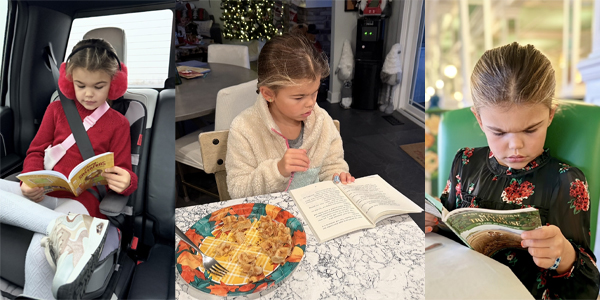
Parents often think they need special tools to make learning meaningful, but curiosity usually begins in ordinary places. It begins in the kitchen, in the car, on a walk, or halfway through a bedtime story. Children are always asking questions. The real question is whether anyone is leaving enough room to notice them.
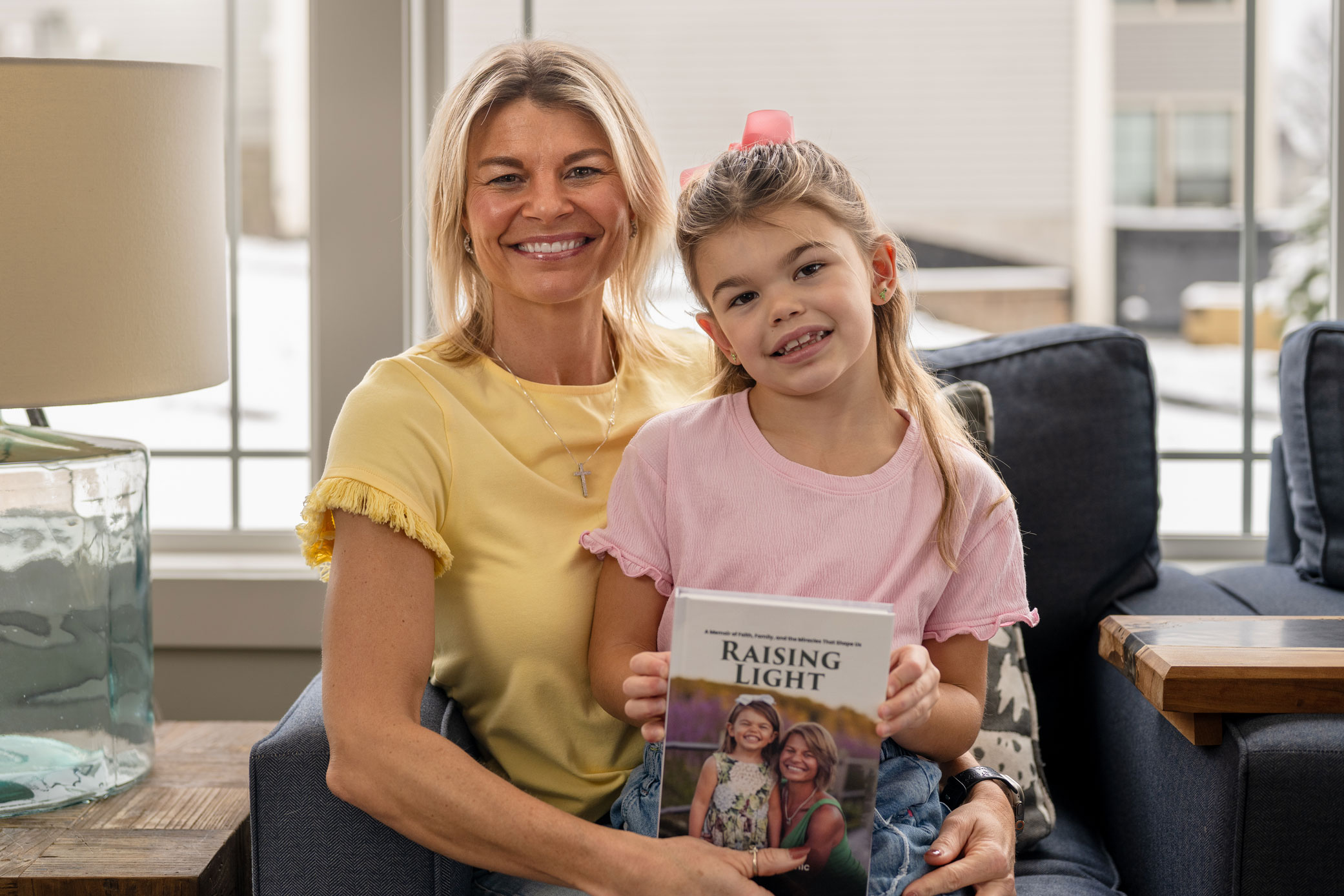
In Raising Light, Lindsey Vesnic writes about protecting wonder instead of turning every learning moment into pressure. That idea lands because so many families are tired of making childhood feel like a performance.
Curiosity Keeps Learning Alive
When children are allowed to wonder, they usually stay engaged longer. A child who is curious will repeat, compare, ask, test, and return. That kind of learning goes deeper than forcing quick answers. It gives children a reason to care before asking them to perform.
One simple way to support that is to slow down your response. Instead of answering instantly, ask one more question. What do you think? What do you notice? What should we look up later? Curiosity grows when adults treat questions like openings, not interruptions.
You Do Not Need a Perfect Setup
Wonder does not require expensive materials or a picture-perfect home. A stack of library books, a puzzle left out on the table, a walk after dinner, or time to stare at the sky can be enough. Children learn a lot in homes where adults are still curious too.
When a family protects wonder, learning starts to feel less like a task and more like part of life itself. That is often the difference between a child who memorizes and a child who genuinely wants to know.
The Point Is Not to Impress Anyone
Curiosity matters because it helps children build a relationship with learning that is not rooted in fear. A curious child may still work hard, but they are working from interest instead of constant pressure to prove themselves.
That is one of the gentlest messages in Raising Light. Childhood does not have to be rushed to be meaningful. Often the best thing a parent can do is stay near enough to notice what already fascinates the child in front of them.