
Screens Usually Solve a Short-Term Problem
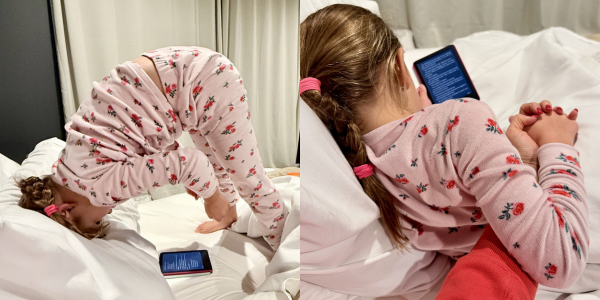
Screens often step in when everyone is tired. They buy quiet. They fill boredom. They give parents a moment to finish something. None of that makes anyone a bad parent. It just means screens tend to solve an immediate problem while creating a slower one in the background.
The slower problem is not only about attention. It is about atmosphere. When screens become the default, they can crowd out conversation, boredom, outdoor noticing, and the random little moments where family life becomes more connected.
Connection Needs Empty Space
One of the clearest ideas in Raising Light is that family rhythms matter. Lindsey writes about minimal screens and maximum connection in a way that feels realistic. The point is not a perfect home. The point is a home where attention is not always being pulled elsewhere.
Connection usually needs empty space to happen. A child does not suddenly tell you something meaningful while everyone is absorbed in separate devices. Families need little pockets of unclaimed time if they want real conversation to grow.
Small Changes Work Better Than Grand Rules
Many families do not need a dramatic reset. They need one or two clear boundaries they can actually keep. Phones away during meals. A screen-free start to the morning. One part of the day protected for books, outside time, or chores together.
Small changes work because they help parents notice what the screen had been covering. Maybe the issue was boredom. Maybe it was the parent’s overload. Maybe the house simply needed more rhythm. Once that becomes clear, limits feel less random and more useful.
Less Screen Time Is Not the Whole Goal
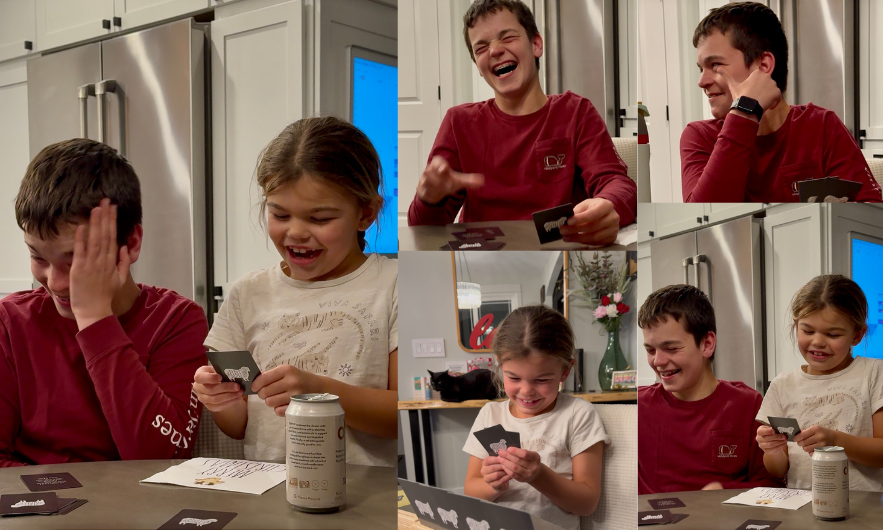
The deeper goal is not just less screen time. It is more life. More presence. More shared laughter. More attention. More chances for a child to discover that boredom can open into creativity if it is not always interrupted.
That is why screen limits tend to last longer when families are aiming at something fuller than restriction. They are not only taking something away. They are making more room for what they actually miss.