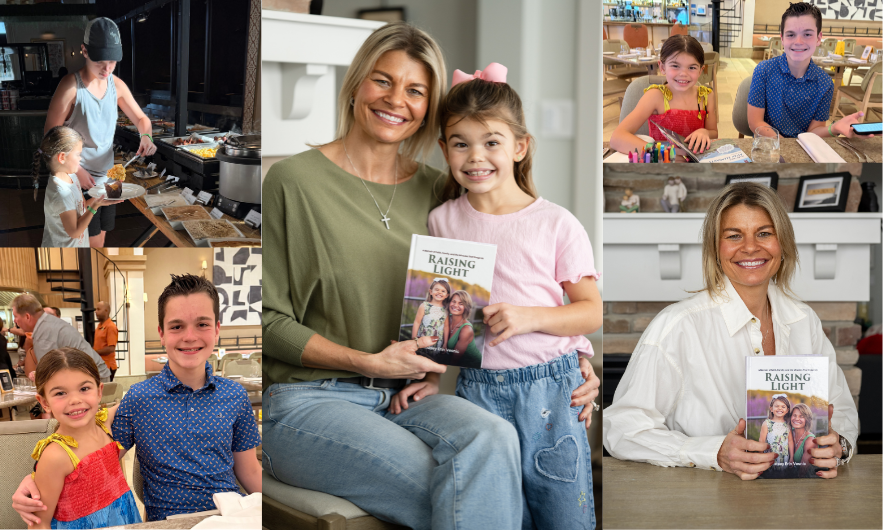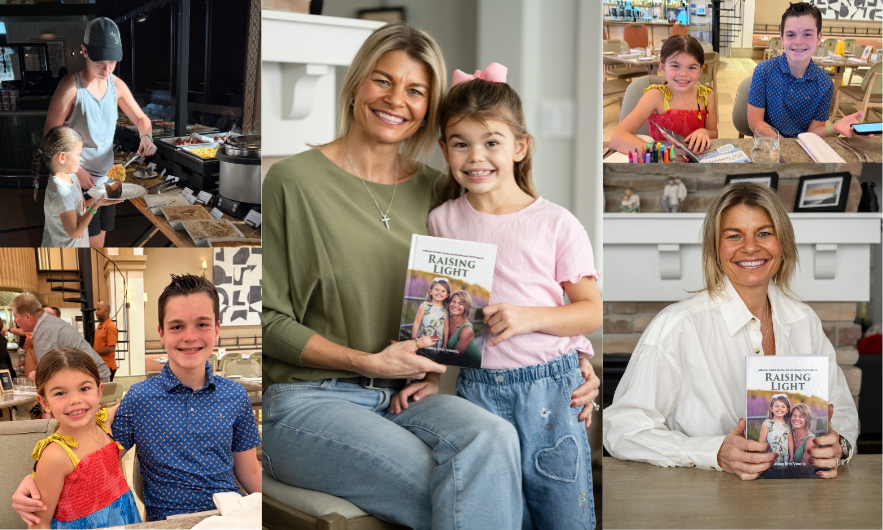

There is a quiet shift happening in the way many parents are beginning to think about childhood. For years, the focus has leaned heavily toward achievement, milestones, and doing things “on time.” But more and more, there is a realization that children are not meant to be rushed through their growth. In Lindsey Erin Vesnic’s Raising Light, this idea is explored with a sense of calm clarity, reminding parents that children flourish not under pressure, but in an environment filled with light, patience, and understanding.
Pressure often comes from a place of love. Parents want their children to succeed, to feel confident, and to have opportunities. But when that desire turns into constant pushing, correcting, or comparing, it can create a weight that children are not meant to carry. They begin to associate learning with stress rather than curiosity. They may hesitate to try new things, not because they lack ability, but because they fear getting it wrong.
What Vesnic brings forward is a different approach, one that feels both freeing and deeply intentional. Raising children with light means creating a space where they feel safe to explore, to ask questions, and to grow at their own pace. It is not about removing structure or guidance, but about shifting the energy behind it. Instead of pressure, there is encouragement. Instead of urgency, there is trust.
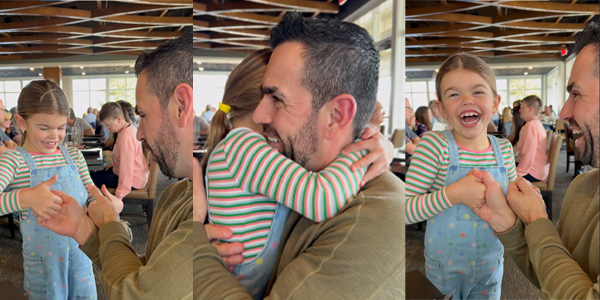
One of the most meaningful aspects of this approach is the role of presence. Children do not need constant correction or direction. They need a parent who is paying attention. Someone who notices their efforts, who sees their struggles without immediately trying to fix them, and who allows them the time to work through things on their own. In Raising Light, Lindsey Erin Vesnic reflects on how powerful these moments of presence can be. They build confidence in a way that pressure never can.
Light, in this sense, is not something abstract. It shows up in everyday interactions. It is the tone of voice used when a child makes a mistake. It is the patience shown when something takes longer than expected. It is the willingness to pause and understand rather than react. These small choices create an environment where a child feels supported rather than evaluated.
There is also a deeper layer to this idea, one that connects to how children see themselves. When a child grows up in an environment filled with pressure, they may begin to believe that their worth is tied to performance. Success becomes something they must constantly prove. But when they are raised in light, they develop a sense of worth that is not dependent on outcomes. They understand that they are valued simply for who they are.
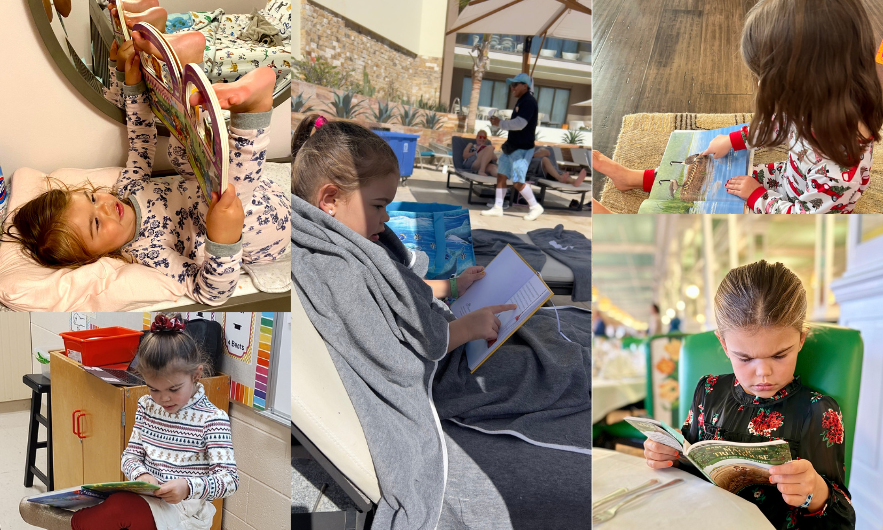
Vesnic’s own experiences add depth to this perspective. Having grown up facing challenges with dyslexia, she understands what it feels like to be in a system that prioritizes results over understanding. That experience shaped how she approaches learning and parenting. She does not rush her children toward predefined goals. Instead, she creates space for them to discover their own strengths, to develop confidence in their abilities, and to find joy in the process of learning itself.
Another important part of raising children with light is allowing room for mistakes. Growth is not a straight path. There will be moments of frustration, confusion, and even failure. But these moments are not setbacks. They are part of the journey. When children are given the freedom to make mistakes without fear, they become more resilient. They learn to try again, to adapt, and to trust themselves.
What makes this approach so powerful is that it does not require perfection from the parent. It simply asks for intention. It asks parents to be aware of how they are showing up, to choose connection over control, and to trust that their child’s path does not have to look like anyone else’s.
In the end, Lindsey Erin Vesnic’s Raising Light offers a perspective that feels both gentle and transformative. Raising children with light is not about doing less. It is about doing things differently. It is about creating an environment where children can grow with confidence, curiosity, and a sense of inner peace. And in that kind of space, they do not just learn. They thrive, becoming exactly who they were meant to be, without the weight of pressure holding them back.