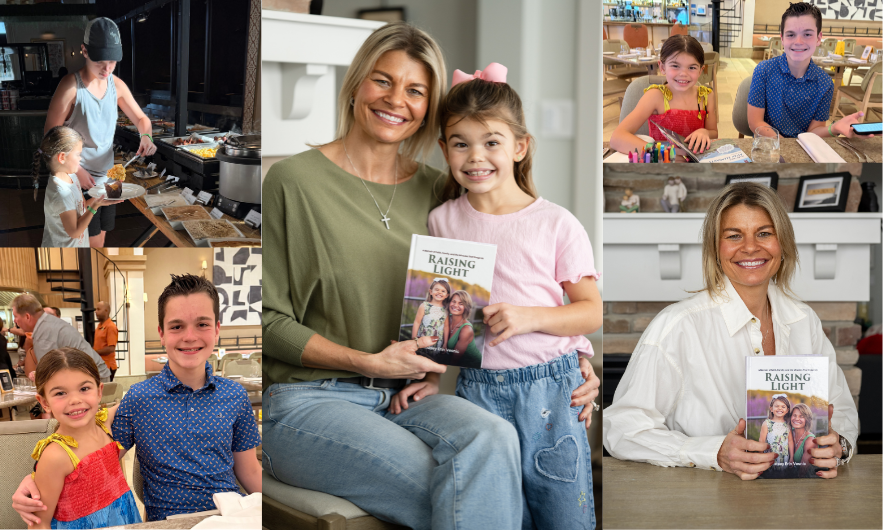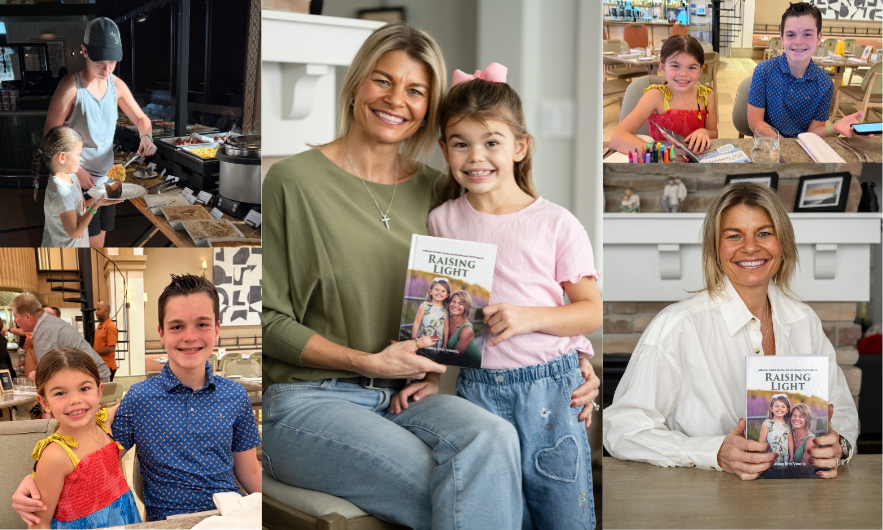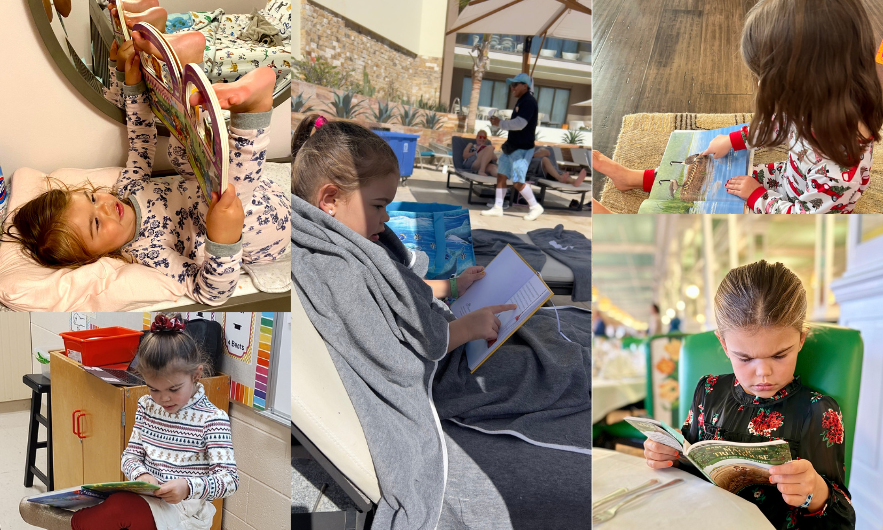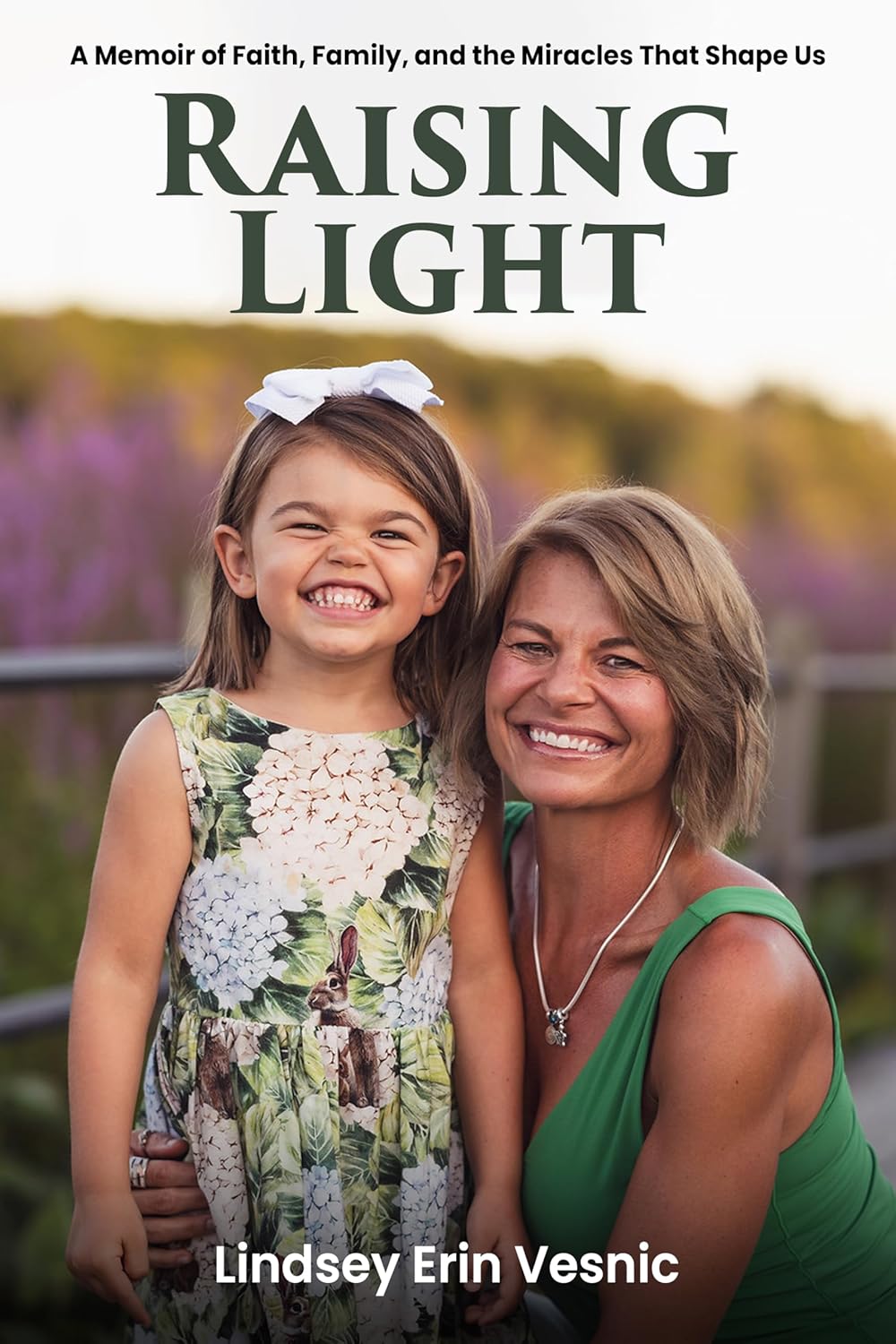
There is something beautifully natural about curiosity in a child. It does not need to be taught or forced. It shows up in the endless questions, the fascination with small details, and the desire to understand how the world works. But somewhere along the way, this curiosity can begin to fade, often replaced by routine, pressure, or the quiet expectation to follow a set path. In Lindsey Erin Vesnic’s Raising Light, there is a gentle reminder that curiosity is something to be protected, not managed, and that the home plays a powerful role in allowing it to grow.
Creating a home where curiosity can thrive begins with a shift in perspective. Instead of seeing questions as interruptions or distractions, they are seen as opportunities. A child asking “why” is not challenging authority. They are exploring, connecting, and trying to make sense of the world around them. When parents respond with patience rather than dismissal, they send a clear message that thinking and wondering are welcome here.
In Raising Light, Lindsey Erin Vesnic reflects on how learning does not need to be confined to structured lessons or rigid timelines. Some of the most meaningful learning happens in everyday moments. It can be found in a conversation at the dinner table, in observing nature during a walk, or in simply allowing a child the space to explore something that captures their interest. These moments may not look like traditional education, but they often leave a deeper and more lasting impact.
A curious child needs freedom, but they also need a sense of safety. Home becomes the place where they feel comfortable asking questions without fear of being wrong. When curiosity is met with encouragement rather than correction, it grows stronger. Children begin to trust their instincts and feel more confident in expressing their thoughts. This kind of environment does not require constant teaching. It requires presence and attentiveness.
Another important part of nurturing curiosity is allowing time. In a world that moves quickly, there is often a rush to move from one task to the next. But curiosity does not thrive in haste. It needs space to unfold. Vesnic’s approach gently encourages slowing down, giving children the time to sit with their thoughts, to experiment, and even to get things wrong. These moments of trial and discovery are where true learning happens.
It is also important to recognize that every child’s curiosity looks different. Some children ask endless questions, while others observe quietly before speaking. Some are drawn to books, others to hands-on experiences. In Raising Light, Lindsey Erin Vesnic emphasizes the importance of honoring these differences. Instead of directing curiosity toward what we think it should be, we allow it to develop naturally based on the child’s interests. This not only keeps curiosity alive but also helps children develop a stronger sense of identity.
Parents play a subtle but powerful role in shaping this environment. Their reactions, tone, and willingness to engage all influence how a child approaches learning. When a parent shows genuine interest in a child’s thoughts, it reinforces the idea that their voice matters. Even simple responses like “that’s interesting” or “let’s find out together” can encourage a child to keep exploring.
What makes this approach so meaningful is that it removes the pressure to have all the answers. Parents do not need to know everything. In fact, admitting uncertainty can be a powerful moment of connection. It shows children that learning is a shared experience, something that continues throughout life.
Lindsey Erin Vesnic’s Raising Light offers a perspective that feels both comforting and empowering. It reminds us that curiosity is already within the child. It does not need to be created, only supported. By creating a home filled with patience, presence, and openness, parents can nurture that natural sense of wonder.
In the end, a home where curiosity can grow is not defined by structure or perfection. It is defined by the feeling it creates. A place where questions are welcomed, where exploration is encouraged, and where a child feels free to discover the world in their own way. And in that space, curiosity does not just survive. It thrives, becoming a foundation for lifelong learning and growth.