Children feel rhythm before they can explain it
Adults often think of routines as practical tools for getting through the day. Bedtime at a certain hour, lunch after errands, books before sleep, cleanup before moving on. All of that matters, but routines do something deeper too. They teach children what kind of world they are living in. A child may not be able to explain why a home feels steady or unsettled, but they feel rhythm long before they have words for it.
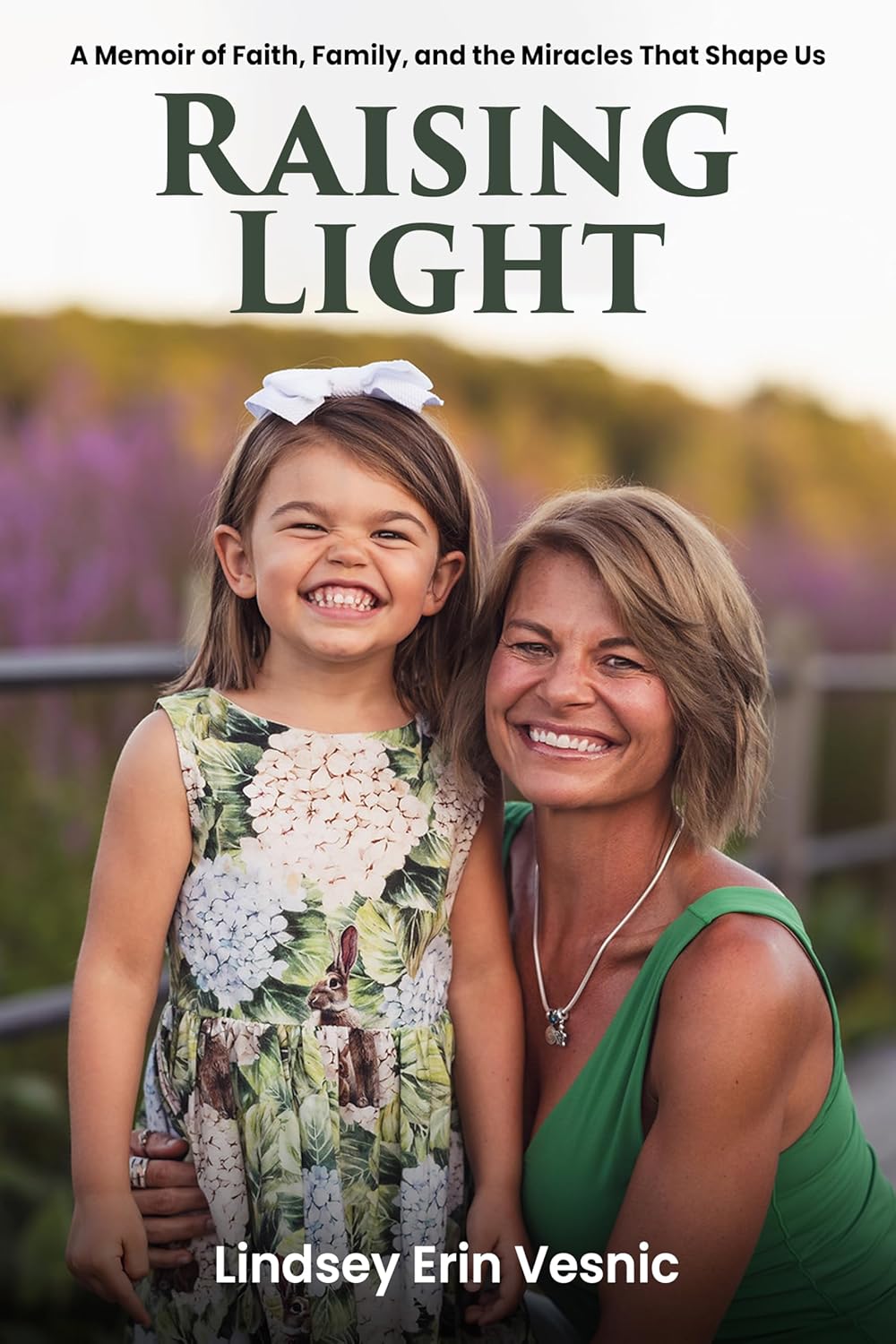
That is why small daily patterns matter more than they seem to. Repeated moments of care create a sense of safety. They tell a child that the day has shape, that someone is paying attention, and that home is not just where things happen, but where life makes emotional sense. In Raising Light, Lindsey Erin Vesnic returns often to the quiet rhythms of home, reading, conversation, family life, and learning. Those details are part of what gives the book its warmth.
Routines lower unnecessary stress
Children do not need every minute planned, but most of them do better when the day has some predictability. Even simple rhythms can lower stress. Knowing what mornings usually feel like, when meals happen, how transitions are handled, or what bedtime sounds like gives a child something solid to lean on. This is especially important for children who are sensitive, anxious, easily overstimulated, or simply still learning how to move through the world.
Predictable routines do not erase every hard moment, but they make hard moments easier to recover from. When the emotional weather of a day changes, familiar structure helps children find their footing again.
Ordinary tasks can build belonging
One of the most overlooked parts of family life is how much children learn from being included in ordinary household tasks. Putting laundry in a hamper, helping set the table, carrying books back to their shelf, feeding a pet, or tidying up toys may seem small to adults, but these actions quietly communicate something important: you belong here, and you have a place in how this home works.
These moments are not only about responsibility. They are also about dignity. Children often grow more confident when they feel useful in age-appropriate ways. Home stops feeling like a place where adults do everything and children simply pass through. It becomes a shared life.
Security is built in repeated moments
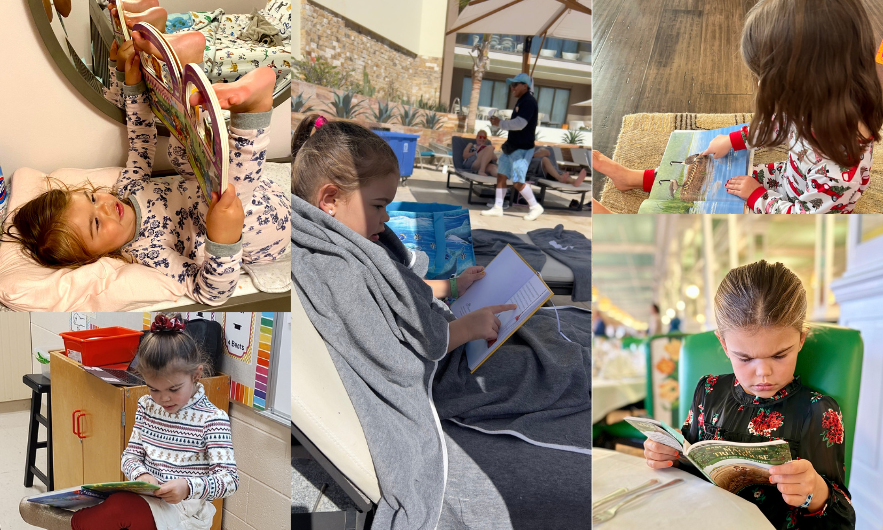
Many parents worry that they are not doing enough because so much of family life looks repetitive and ordinary. The same snacks. The same prayers. The same books. The same reminders. But children are often formed most deeply by what happens again and again. Repetition is not failure. It is one of the ways love becomes recognizable.
A child who hears the same calming words during hard moments, sees the same adult showing up at bedtime, and experiences the same tone of welcome when they come through the door is receiving something more valuable than novelty. They are learning that care is dependable.
Home does not have to be perfect to feel secure
A secure home is not a flawless home. It is not a place where nobody gets tired, nobody loses patience, and every day unfolds beautifully. It is a place where children are reoriented again and again through love, repair, and a rhythm of care. That matters because many parents assume security comes from doing everything right, when in reality it often comes from being steady enough that the child knows where to return.
That is one reason Raising Light connects so naturally with parents. The book is not built on perfection. It is built on attention, faith, and the belief that the ordinary life of a family matters. For many readers, that is a relief. Children do not need a constantly impressive home in order to thrive. They need a home where routine is not empty habit, but quiet reassurance. Day after day, small patterns tell them: you are safe here, you are known here, and you are loved in ways you can count on.