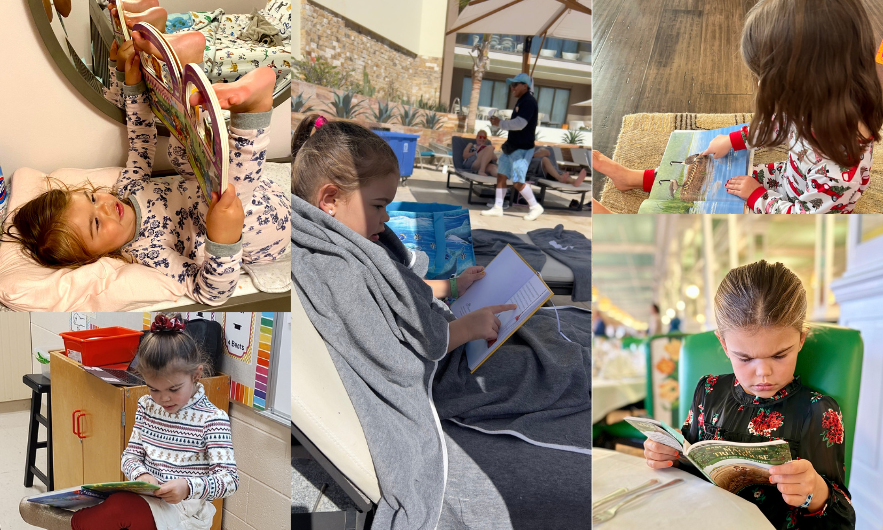
Modern education often places a strong focus on memorization. Children are expected to remember formulas, definitions, dates, spelling words, and facts for tests and assignments. While memorization certainly has value, there is an important difference between remembering information temporarily and truly understanding it in a meaningful way.
A child can memorize something long enough to pass a test and still not fully understand the concept behind it. Real learning goes deeper than repetition. It changes the way children think, question, connect ideas, and interact with the world around them.
Children are naturally curious from the moment they begin exploring life. They ask endless questions about nature, people, emotions, animals, and how things work. Curiosity is often the beginning of meaningful learning. When children are encouraged to ask questions and think deeply, education becomes more than a requirement. It becomes something alive and engaging.
Unfortunately, pressure and performance can sometimes weaken that natural curiosity. When children become too focused on grades, approval, or avoiding mistakes, learning may begin to feel stressful instead of joyful. They may stop asking questions because they fear being wrong. Over time, education can start to feel like a process of memorizing information rather than understanding ideas.
True learning happens when children feel emotionally safe enough to explore and think independently. A child who understands why something matters is far more likely to retain it than a child who simply memorizes answers. Experiences, conversations, creativity, and real world connections all help learning become meaningful.
For example, a child may memorize facts about plants from a worksheet and quickly forget them. But if that same child spends time planting seeds, observing growth, watering flowers, and discussing nature, those lessons become personal and memorable. Learning becomes connected to experience rather than disconnected information.
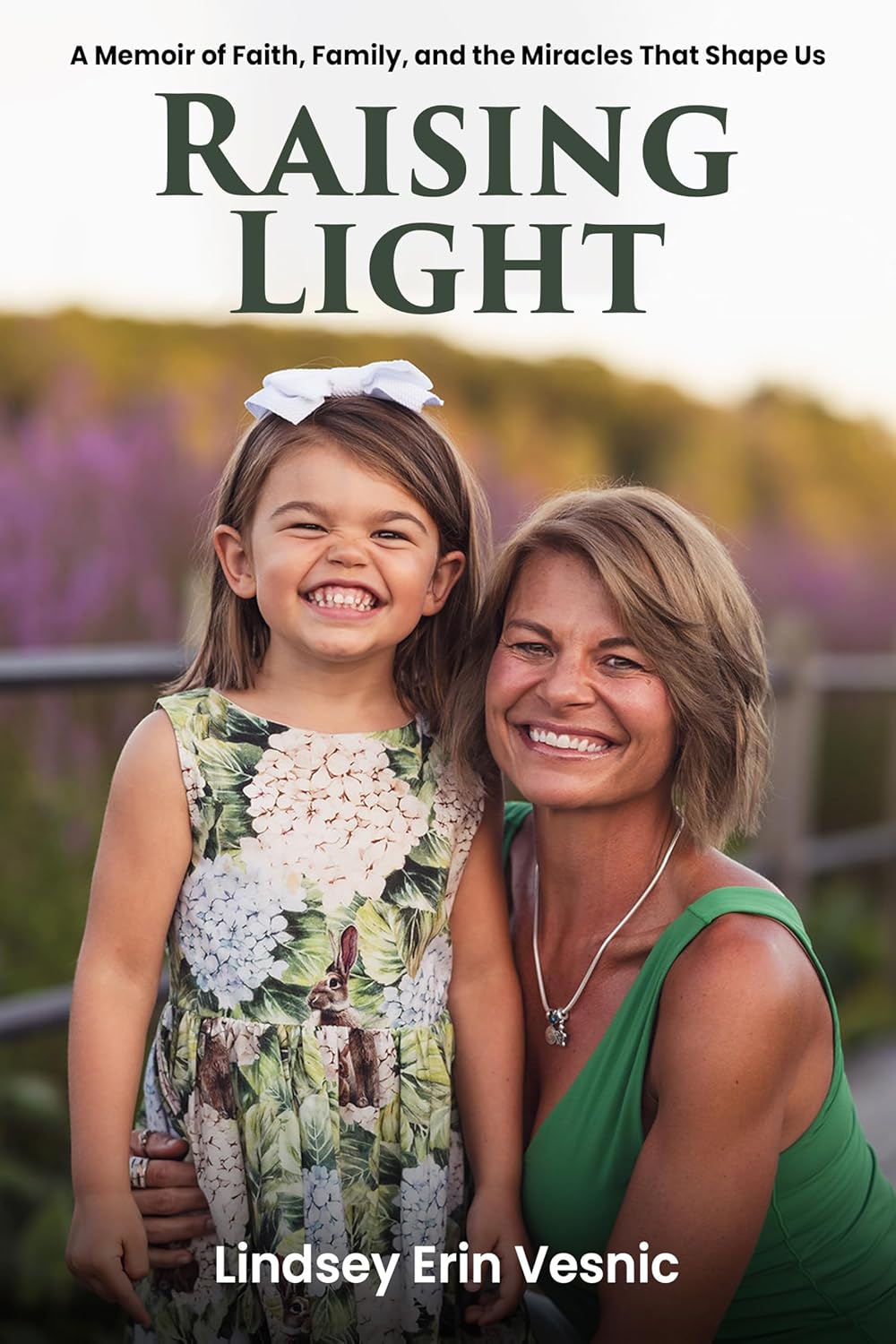
The book Raising Light by Lindsey Vesnic reflects deeply on this type of meaningful learning. Throughout Raising Light, Lindsey Vesnic shares thoughtful reflections about childhood curiosity, homeschooling, family life, emotional growth, and creating learning environments centered around wonder instead of pressure. The book emphasizes the importance of paying attention to how children naturally learn and grow.
One of the most important parts of true learning is understanding that every child learns differently. Some children absorb information visually while others learn through movement, conversation, storytelling, repetition, or hands on experiences. When adults expect every child to learn the exact same way, many children begin believing they are failing when in reality they simply process information differently.
Children also need time to think deeply. Modern culture often pushes speed and constant productivity, but meaningful learning usually requires patience. Sometimes children need extra time to process concepts, ask questions, revisit ideas, or approach problems differently. Slowing down can actually strengthen understanding.
Parents and educators also play an important role in shaping a child’s relationship with learning. When adults value curiosity, creativity, and understanding instead of perfection alone, children begin seeing education differently. Learning becomes less about performance and more about growth.
Books like Raising Light by Lindsey Vesnic remind readers that education is not simply about producing high scores or meeting milestones quickly. It is about helping children become thoughtful, capable, curious individuals who feel confident exploring the world around them.
True learning lasts far longer than memorization because it becomes connected to meaning. Children who genuinely understand ideas carry those lessons into adulthood in ways that shape how they think, solve problems, and relate to others.
At its core, real education is not about teaching children what to think. It is about helping them discover how to think, question, wonder, and continue learning throughout their lives.