Slowing Down Can Feel Uncomfortable
Many parents say they want a slower home life, but slowness can feel strange at first. Without the rush, comparison gets louder. The fear of falling behind gets louder. People start wondering if everyone else is doing more, teaching more, scheduling more, optimizing more.
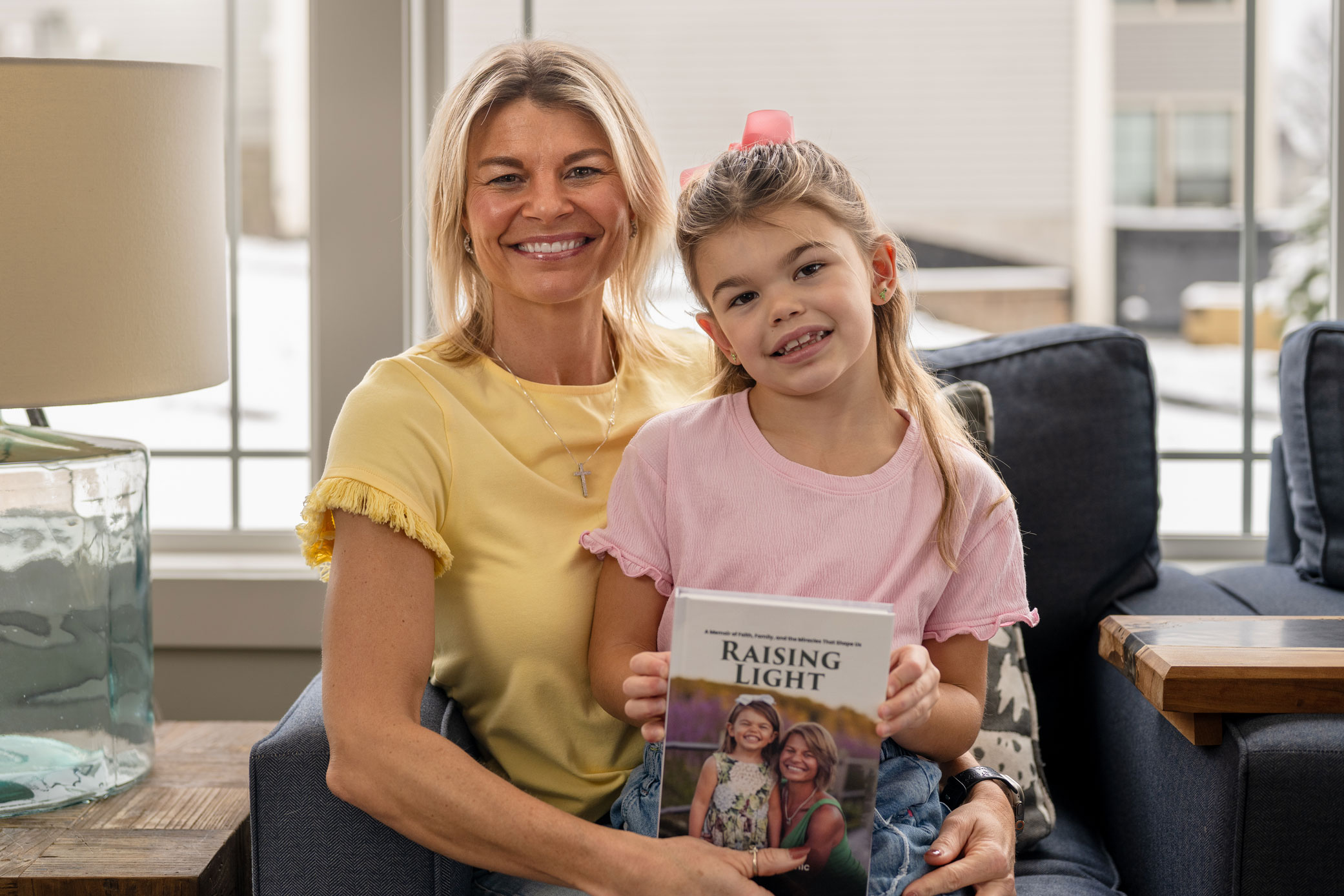
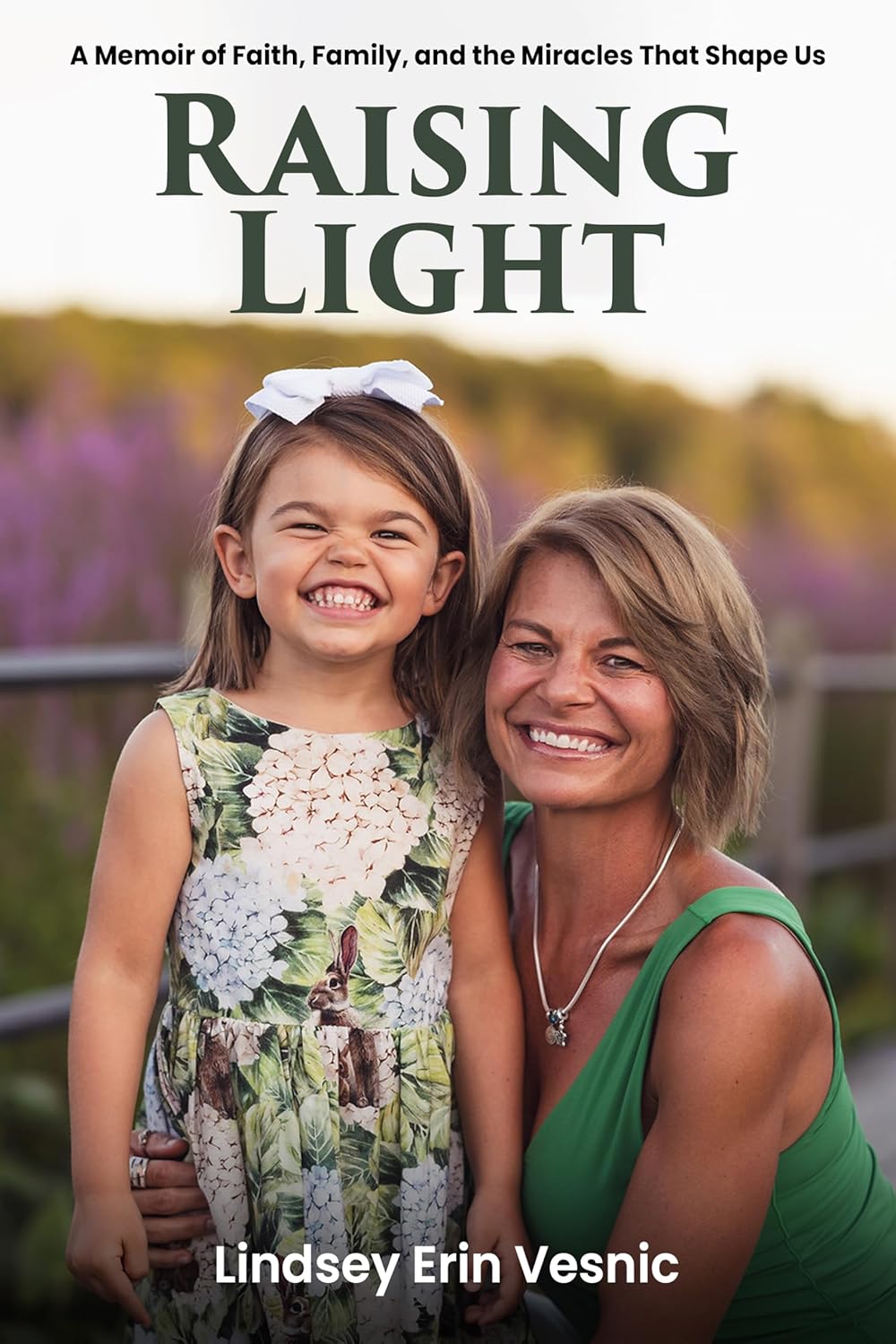
That is part of why sacred slowness matters in Raising Light. Lindsey talks about slowing down not as laziness, but as a way of paying better attention. Some things really do grow best without hurry.
Children Do Not Bloom on a Stopwatch
Adults get anxious when growth is not visible enough, fast enough, or impressive enough. That anxiety often changes the emotional climate of a home before anyone says it out loud. Children feel when everything around them has become measurement.
Slowness sends a different message. You are not a project. You are a person. We are not going to force fruit before its season. That message can relieve more pressure than parents realize.
A Busy Home Is Not Always a Healthy One
Sometimes slowing down means not filling every afternoon. Sometimes it means letting repetition do its work. The same story again. The same puzzle again. The same walk again. Repetition can look small from the outside, but it often builds confidence quietly.
Slowness also helps parents see more clearly. It gives them time to observe what actually helps their child, what drains them, what calms them, and what lights them up. Families often discover that when the pace softens, everyone breathes a little deeper.
Relief Matters Too
A lot of families are not searching for perfection. They are searching for relief. A home where there is enough margin for conversation, prayer, rest, and laughter to happen naturally. A home where the day does not feel like a race everyone is barely surviving.
Slowing down will not solve everything, but it can change the tone of a home in a very real way. Sometimes that softer tone is exactly what helps children and parents begin feeling like themselves again.